iPhone 18 Pro features to expect this fall include a smaller Dynamic Island, a 2nm A20 chip, and a smarter camera system. Here’s a clear breakdown of what’s likely real and what’s still just rumor.
iPhone 18 Pro Features to Expect This Fall, Based on the Strongest Leaks Yet
iPhone 18 Pro features to expect this year are starting to come into sharper focus, and the picture forming is more interesting than a simple spec bump. Apple appears to be quietly reworking the front of the phone, pushing its chip technology further than ever, and giving the camera system its biggest shake-up in a while. None of it is officially confirmed. But when this many separate leakers, supply chain reports, and analysts start repeating the same details, it usually means something real is coming.
I have followed enough of these rumor cycles to know which claims tend to stick and which ones fade by September. Right now, a handful of iPhone 18 Pro details keep showing up across multiple credible sources, which makes them worth paying attention to. Let’s go through what looks solid, what’s still shaky, and what it actually means for anyone thinking about upgrading this year.
The Big One: A Smaller Dynamic Island Finally Arrives
If there’s one change everyone keeps circling back to, it’s the Dynamic Island shrinking. Apple introduced that pill-shaped cutout back in 2022, and it has stayed roughly the same size ever since. This year, multiple reports point to a meaningful reduction, with some leakers citing a drop of around a third compared to current Pro models.
Here’s how it reportedly works. Apple is said to be relocating the infrared flood illuminator, one of the sensors Face ID relies on, so it sits hidden beneath the display glass instead of inside the visible cutout. The dot projector and infrared camera stay put within a smaller pill shape. That means the Dynamic Island sticks around as a design element, it just takes up noticeably less space at the top of your screen.
Earlier rumors floated a full switch to a simple hole-punch camera, similar to what a lot of Android phones already use. That theory has cooled off. Most current reporting agrees the pill shape survives, just in a more compact form. Full under-display Face ID, where every sensor disappears beneath the glass, still is not happening this generation. That remains the long-term goal Apple watchers keep waiting for.
Curious what else is hiding behind that smaller cutout? The chip story might be even bigger news.
A20 Chip: Apple’s Boldest Silicon Leap in Years
The chip side of this story might matter more than anything visible on the outside. The iPhone 18 Pro is expected to run on Apple’s A20 processor, and this is reportedly the first chip built on TSMC’s 2-nanometer manufacturing process. For context, the current A19 chip in the iPhone 17 lineup uses 3-nanometer technology.
Smaller manufacturing processes generally mean two things: more performance packed into the same space, and better power efficiency. Early estimates floating around suggest something in the neighborhood of 15 percent faster performance while using up to 30 percent less power compared to the current generation. Those numbers could shift once real testing happens, but even a rough version of that trade-off would be a genuinely strong generational jump.
What does that mean in daily use? Faster app launches, smoother multitasking, better sustained performance during long gaming sessions, and improved battery life even with the same size battery cell. It also sets up Apple’s on-device AI features to run more efficiently, which matters as Apple Intelligence keeps expanding across the system.
Why the Jump to 2nm Is a Bigger Deal Than It Sounds
Chip manufacturing improvements do not always show up as headline features, but they quietly shape everything else the phone does. A more efficient chip means less heat, longer battery stretch, and more headroom for background AI tasks without draining your battery by lunchtime. If Apple’s Siri overhaul and expanded Apple Intelligence features lean hard on on-device processing, the A20’s efficiency gains become the invisible engine making all of that possible.
Camera System: Variable Aperture Finally Lands
Camera upgrades on Pro models tend to be the most talked-about feature every year, and this cycle looks no different. The standout rumor is a variable aperture on the main camera, a feature that lets you physically adjust how much light enters the lens rather than relying purely on software processing.
In practical terms, that gives you more creative control over depth of field and background blur, closer to what a proper camera lens can do. It also helps in tricky lighting, letting the camera adapt between bright daylight and dim indoor scenes more naturally. Samsung and a few other Android makers have experimented with similar tech before, so this would be Apple finally catching up to an idea that has been floating around the industry for a while.
Alongside that, reports suggest the core sensor resolution numbers may stay similar to the current 48-megapixel main and ultrawide setup, with the real gains coming from improved image processing and that new aperture control rather than a straightforward megapixel bump. The front-facing camera is also expected to hold at 24 megapixels, carried over from recent generations.
Connectivity and Everyday Performance Upgrades
A few less flashy but genuinely useful changes are also reportedly on the way.
- A new C2 modem
Apple has been slowly building its own modem technology since the C1 debuted in the iPhone 16e. The C2 is expected to show up in the iPhone 18 Pro lineup, bringing better mmWave 5G support and improved carrier aggregation for faster real-world download speeds. It also continues Apple’s push to reduce reliance on outside modem suppliers. - More RAM across the board
Some reports point to Apple standardizing 12GB of RAM across iPhone 18 models, including the Pro lineup. More memory headroom helps with multitasking and keeps apps running smoothly in the background, which matters more every year as apps and AI features grow heavier. - A reworked Camera Control button
The pressure-and-touch Camera Control button introduced in recent models may shift to a pressure-only design, dropping the capacitive touch layer. That could make taps, presses, and swipes feel more consistent and less finicky than the current hybrid system. - Efficient LTPO+ display technology
Beyond the smaller Dynamic Island, the display panel itself is expected to use a more advanced LTPO+ technology. This should improve Always-On Display power draw and make the refresh rate transitions between 1Hz and 120Hz feel smoother.
Still on the fence about whether all this adds up to a real upgrade? Here’s how it stacks against last year’s model.

What About the Foldable iPhone Everyone Keeps Mentioning
You cannot talk about the iPhone 18 cycle without someone bringing up Apple’s long-rumored foldable device. Reports remain split on timing. Some suggest it could arrive alongside the Pro models this fall. Others place it in spring 2027 as a separate launch entirely. Expected details include a titanium hinge built for durability, a crease-free folding display, and a starting price rumored to land near two thousand dollars.
Treat foldable rumors as the least certain part of this whole picture. Timing claims have shifted multiple times over the past year, which is usually a sign that Apple has not fully locked in its plans yet, or that leakers simply do not have reliable access to that part of the roadmap. For 2026, your safest bet is planning around the standard Pro and Pro Max models rather than counting on a foldable showing up this exact fall.
Below, we have recapped 12 features rumored for the iPhone 18 Pro models, as of July:
- Smaller Dynamic Island: It has been rumored that Face ID’s flood illuminator will be moved under the screen on the iPhone 18 Pro models, paving the way for a smaller Dynamic Island on the devices.
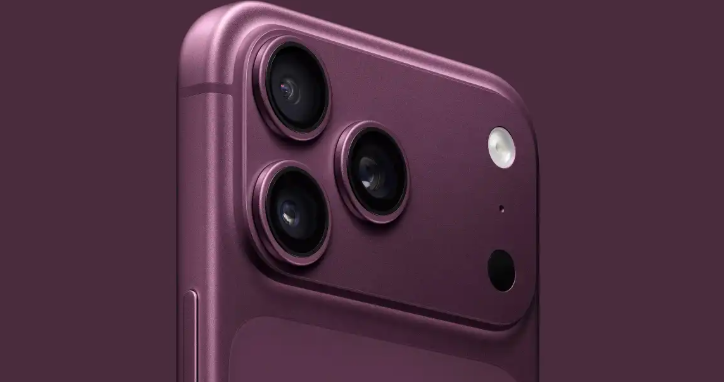
- LTPO+ Displays: The next Pro models are expected to have the same overall design as the iPhone 17 Pro models, including 6.3-inch and 6.9-inch display sizes and a “plateau” housing three rear cameras. However, the displays will reportedly use so-called LTPO+ display technology, which should contribute to longer battery life.
- Variable Aperture: The main 48-megapixel Fusion camera on both iPhone 18 Pro models is rumored to have a variable aperture, which would allow users to control the amount of light that passes through the camera’s lens and reaches the sensor. This would provide greater control over depth of field. However, given that iPhones have smaller image sensors due to smartphone size constraints, it is unclear exactly how meaningful this improvement would be.
- A20 Pro Chip: Apple’s next-generation A20 Pro chip is expected to use TSMC’s first-generation 2nm process, whereas the A19 Pro chip is 3nm. With a 2nm architecture and a new packaging design, the A20 Pro chip should deliver solid year-over-year performance and power efficiency gains.
- C2 Modem: Apple’s custom C1 cellular modem for 5G and LTE debuted in the iPhone 16e last year, and that was followed by a C1X chip in the iPhone Air. Apple says the C1X modem is up to twice as fast as the C1 modem, and the most power-efficient modem in an iPhone ever. The improvements should continue with Apple’s third-generation C2 modem in the iPhone 18 Pro models.
- 5G via Satellite: With the C2 modem, the iPhone 18 Pro models will reportedly support 5G via satellite for web browsing without Wi-Fi or cellular connectivity.
- N2 Chip: Most of the iPhone 17 models and the iPhone Air are equipped with an Apple-designed N1 chip that enables Wi-Fi 7, Bluetooth 6, and Thread. Apple says the N1 chip also improves the overall performance and reliability of features like Personal Hotspot and AirDrop. iPhone 18 Pro models are expected to have Apple’s next-generation N2 chip, but it is not yet known what improvements would come with this upgrade.
- Dark Cherry: The special color for the iPhone 18 Pro models will reportedly be Dark Cherry, alongside Light Blue, Dark Gray, and Silver. The existing Cosmic Orange and Deep Blue colors are expected to be discontinued.
- Simplified Camera Control: Apple is expected to simplify the Camera Control button on the iPhone 18 Pro models, by removing touch sensitivity and haptic feedback. The redesigned button will only have pressure sensitivity.
- Redesigned Rear Ceramic Shield: The rear Ceramic Shield area for MagSafe is rumored to feature a more frosted and seamless appearance on the iPhone 18 Pro models compared to the current two-tone design.
- Larger Battery (iPhone 18 Pro Max): According to alleged Chinese regulatory database filings, the iPhone 18 Pro Max will have nearly a 10% larger battery compared to the iPhone 17 Pro Max.
- Thicker Design (iPhone 18 Pro Max): It has been rumored that the iPhone 18 Pro Max will be thicker than both the iPhone 17 Pro Max and the iPhone 18 Pro.

Should You Upgrade to the iPhone 18 Pro This Year
If you are still using an iPhone 15 or older, this looks like a genuinely strong year to jump. Faster chip, meaningfully better efficiency, a camera system with real new capability, and a display that finally frees up more usable screen space. That combination adds up to a phone that feels different in daily use, not just on a spec sheet.
If you already own an iPhone 16 Pro or 17 Pro, the calculation gets tighter. The chip and efficiency gains are real, but whether they justify a full upgrade price depends on how much you care about the smaller Dynamic Island and the new camera aperture control. Plenty of recent Pro owners will be fine waiting another cycle without missing much.
Camera-focused users and anyone leaning heavily on Apple Intelligence features tend to benefit most from upgrading close to every release. Casual users who mostly text, browse, and stream can usually stretch their current phone another year or two without feeling behind.
FAQ About iPhone 18 Pro Features
What is the biggest design change expected on the iPhone 18 Pro?
A significantly smaller Dynamic Island, achieved by moving one Face ID sensor beneath the display while keeping the rest visible in a more compact pill shape.
What chip will the iPhone 18 Pro use?
The A20, reportedly Apple’s first chip built on TSMC’s 2-nanometer process, offering notable performance and efficiency gains over the current A19.
Is variable aperture really coming to the camera?
Multiple reports point to it landing on the main camera, giving users more physical control over depth of field and light intake.
Will the iPhone 18 Pro have under-display Face ID?
Not fully. Only one sensor component is expected to move under the glass this generation. Complete under-display Face ID remains a future goal.
Is a foldable iPhone launching alongside the iPhone 18 Pro?
Unclear. Some reports suggest fall 2026, others point to spring 2027. Treat foldable timing rumors as the least confirmed part of this cycle.
Will RAM increase on the iPhone 18 Pro?
Some reports suggest 12GB of RAM becoming standard across the lineup, which would help with multitasking and heavier app performance.
When will Apple officially announce these features?
Apple typically reveals new iPhones in September, so expect official confirmation around that same window this year.
The iPhone 18 Pro is shaping up to be one of those quiet-but-meaningful upgrade years. Nothing about it screams total reinvention, but the chip jump, smaller Dynamic Island, and new camera flexibility add up to real, usable improvements. If Apple sticks the landing on even half of these rumors, this could end up being one of the more satisfying Pro upgrades in recent memory.
Want to see exactly how these rumored specs compare side by side with last year’s model? That comparison might make your upgrade decision a lot easier.